The breakout may be long gone, yet its outline can remain every time sunlight catches the skin at a different angle. Microneedling Sunshine Coast treatments can help improve the appearance of some acne scars by encouraging the skin’s natural repair process.
That doesn’t mean every scar responds the same way. A shallow depression, a deep narrow scar and a flat brown mark left after acne are different skin concerns, even though they can all be described casually as “acne scarring”.
For people living on the Sunshine Coast, treatment also needs to fit around real life. Outdoor exercise, beach trips, swimming, strong UV and busy work or social calendars can affect when you book and how carefully you protect your skin afterwards.
How microneedling Sunshine Coast May Help
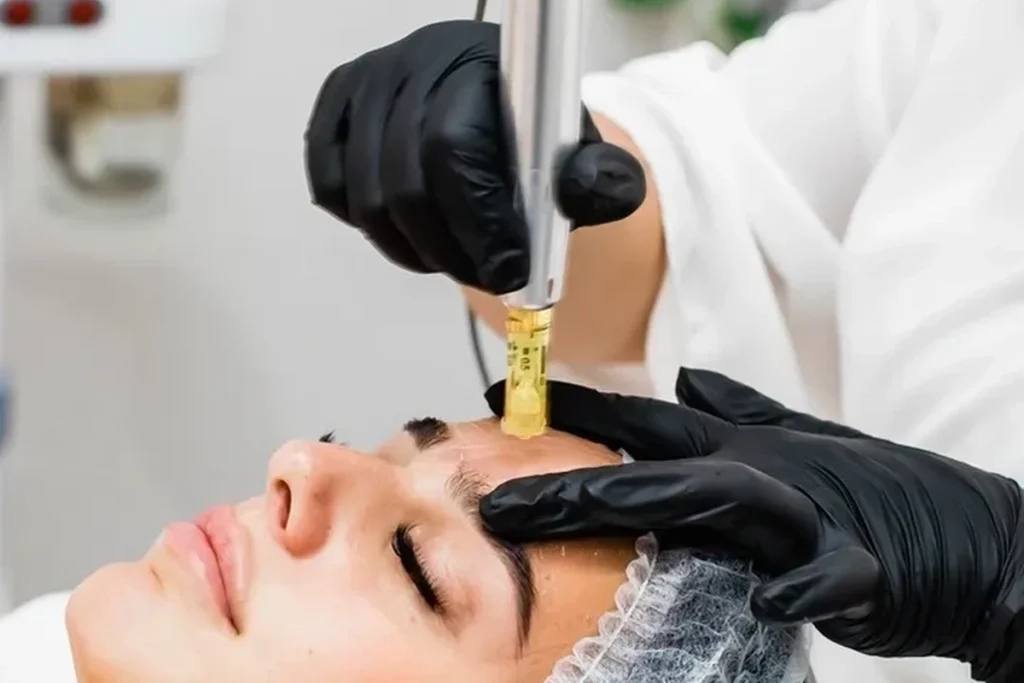
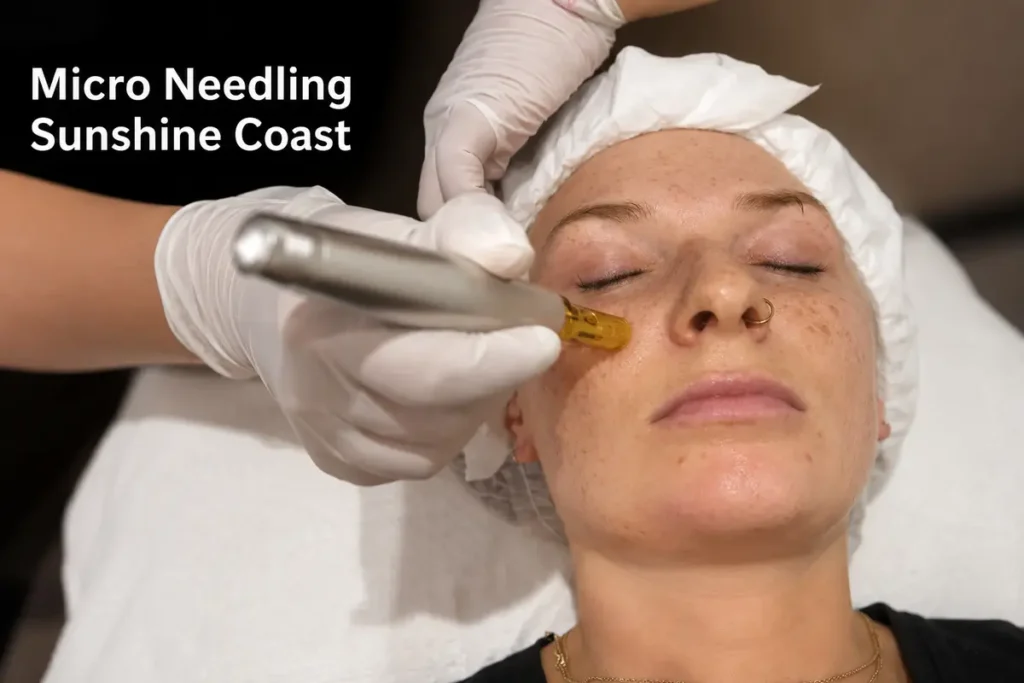
microneedling uses fine needles to create controlled micro-injuries in the skin. This activates a wound-healing response, which can support collagen production and gradual remodelling beneath the treated surface.
That is particularly relevant to atrophic acne scars, where part of the skin sits lower than the surrounding area. Rolling and boxcar scars are common examples. As the skin remodels, these depressions may become less noticeable.
While microneedling can improve the appearance of atrophic acne scars, some clients worry about discomfort, downtime, or side effects. We prioritize your safety and comfort, explaining what to expect during and after treatment to help you feel confident in your decision.
This is also why you should approach before-and-after photographs with caution. Lighting, camera distance, makeup and editing can change how a scar appears, so another person’s result cannot reliably predict yours.
The aim is gradual change: a surface that may look more even, softer texture and less contrast between the scarred area and surrounding skin.
Understanding The Different Acne Scars
Before considering an acne scarring treatment, it helps to work out what you are actually seeing in the mirror.
A depressed scar changes the skin’s shape. A brown or red post-acne mark changes its colour but remains relatively flat. They may appear together, but they do not represent the same problem and may not need the same treatment.
There are also different patterns of depressed scarring. Rolling scars tend to have softer, wider depressions, while boxcar scars have more defined edges. Ice-pick scars are narrower and deeper, so they can be more difficult to treat with a single approach.
Active acne changes the conversation again. If inflamed breakouts are still appearing, the priority may be controlling acne rather than immediately focusing on established scars.
Your practitioner should therefore look at the skin rather than accept the label “acne scars”. Skin sensitivity, pigmentation concerns, previous treatments and your current skincare routine can all influence what is appropriate.
For microneedling Sunshine Coast clients, sun exposure also deserves particular attention. The Bureau of Meteorology classifies UV levels of 8–10 as very high and recommends using several forms of sun protection rather than relying on one measure.
What Improves Uneven Skin Texture
Scarred skin can look different depending on the light. A bathroom mirror, a phone camera and direct afternoon sun can each reveal the surface differently, which partly explains why texture can become such a frustrating concern.
microneedling may help improve uneven skin texture through controlled skin resurfacing, encouraging collagen remodelling without simply treating the surface. The result is not a polished or artificial surface; rather, some irregularities may become less obvious over time.
The same process may also help with concerns such as enlarged pores and fine lines and wrinkles. These are useful secondary benefits, but they should not distract from the main reason for treatment.
Another important point: pores do not disappear. Their visibility can change with oil production, skin structure, ageing and the surrounding texture. A treatment can make them look less prominent without changing the skin’s basic anatomy.
Social media can make this distinction easy to forget. Close-up videos and filtered photographs create a smooth version of skin that isn’t a realistic benchmark for treatment.
With microneedling Sunshine Coast treatments, a better way to judge progress is to compare your skin over several weeks under similar lighting, rather than checking it repeatedly after each appointment.
How Collagen Production Changes Skin
Collagen is one of the proteins that gives skin structure and support. When inflammatory acne injures the skin, the repair process can produce an altered structure that contributes to visible scarring.
microneedling creates controlled micro-injuries that trigger the body’s repair response. Part of that response involves collagen remodelling, which is why improvements usually don’t appear all at once.
This is not an overnight process. Skin needs time to settle after treatment, and bigger structural changes take longer than temporary redness or swelling.
It also explains why a consultation may include discussing several appointments. For microneedling Sunshine Coast treatments, the number and spacing of sessions should depend on the skin being treated, not a fixed promise made before assessment.
A course of treatment may be considered when the goal is gradual improvement in scarring and overall skin rejuvenation, but your practitioner should set expectations according to your individual skin.
The most useful measure is not whether every scar has vanished. It is whether the overall texture has become less noticeable and whether you feel more comfortable with the appearance of your skin.
What Happens During A Treatment
Your practitioner will assess your skin and concerns to tailor the treatment, making you feel understood and confident in personalized care.
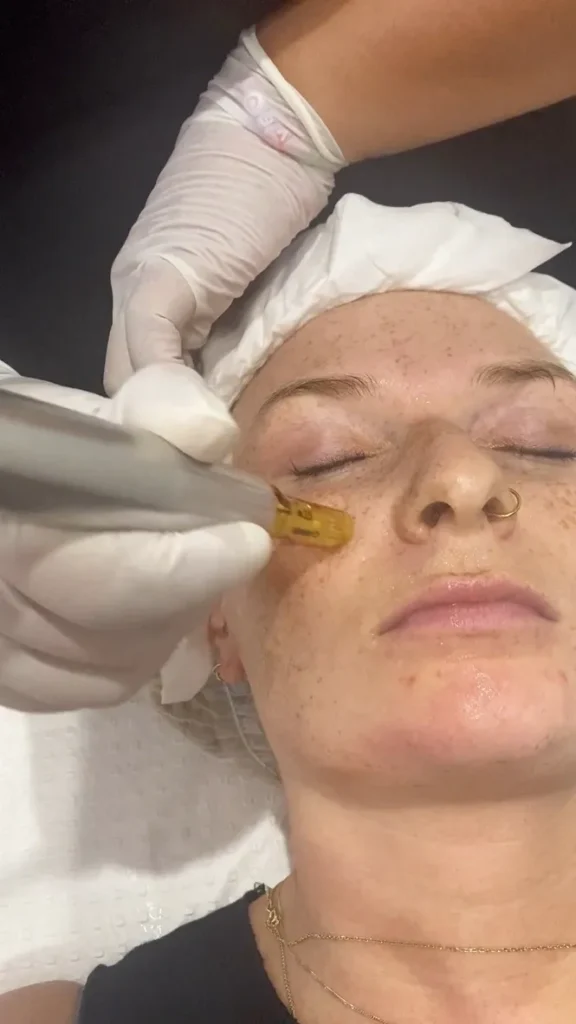
During skin needling, a professional device uses microscopic needles to create controlled channels in the skin. The treatment can support collagen stimulation while addressing concerns such as scarring, pigmentation, acne, enlarged pores and fine lines. The Therapeutic Goods Administration’s guidance on microneedling also recommends understanding the potential risks and benefits and seeking professional advice before treatment.
The sensation varies between people, but the skin can look flushed afterwards. That response doesn’t measure how effective the treatment will be, so deliberately seeking a more aggressive treatment isn’t a sensible way to judge quality.
Your practitioner should also explain what to expect once you leave, including when to return to your usual skincare and activities.
For microneedling Sunshine Coast clients, this is where treatment planning becomes practical. If you have a client presentation, a wedding, a long run or a weekend in the water coming up, mention it before booking rather than trying to work around recovery afterwards.
Planning Effective Microneedling Aftercare Locally
Aftercare matters because freshly treated skin needs time to settle. On the Sunshine Coast, that can require a little more planning when your normal routine involves beaches, outdoor sport or regular time in the sun.
The weather can feel comfortable while UV levels remain high, so temperature isn’t a reliable guide to whether your skin is protected. Check the UV Index and follow your practitioner’s sun-protection advice.
Your microneedling aftercare may involve simple measures such as:
- Keep your hands away from the treated area unless cleansing or applying recommended products.
- Avoid strong exfoliants and active skincare until your practitioner says you can restart them.
- Protect treated skin from direct sun and use the recommended broad-spectrum sunscreen.
- Follow professional advice about swimming, strenuous exercise, heat and other activities during recovery.
- Do not pick, scrub or deliberately peel the skin as it settles.
You don’t need an elaborate post-treatment routine just because the treatment was advanced. In many cases, a calm routine that follows the instructions you were given is best.
For microneedling Sunshine Coast clients, booking before a quiet period can be more practical than scheduling treatment immediately before a beach holiday or outdoor event.
When Should You Consider Treatment?
microneedling is not automatically the right choice just because acne has left marks behind. A consultation should confirm whether your skin’s texture, scar type, and current condition make it a sensible option.
Think about these points before booking:
| Consideration | Why it matters |
| Scar type | Depressed scars, raised scars and flat marks are different concerns. |
| Active acne | Ongoing inflammation may need to be addressed first. |
| Pigmentation | Irritation and sun exposure can affect post-acne colour changes. |
| Current skincare | Some active products may need adjusting around treatment. |
| Lifestyle | Beach, sport, swimming and outdoor work can affect recovery planning. |
| Expectations | Improvement is more realistic than complete scar removal. |
Professional advice can also prevent unnecessary treatment. If your main concern is pigmentation rather than a change in skin structure, another option may make more sense.
A range of professional skin treatments, including Skin Needling, chemical peels, IPL, LED and RF, can address different concerns, so a consultation helps determine which option is most appropriate for your skin.
For microneedling Sunshine Coast clients, that personalised assessment is particularly useful when online trends make every new treatment look suitable for everyone.
Conclusion: Focus On Better, Not Perfect
microneedling can improve the appearance of some acne scars by supporting the skin’s repair response and collagen remodelling. It is most relevant to certain textural, depressed scars, while flat pigmentation, active acne and other scar types may need a different approach. Results take time, and realistic expectations matter.
If acne scarring still bothers you, microneedling Sunshine Coast treatment may be worth discussing with a professional. Contact aGlo Salon & Skin Clinic to arrange a consultation, explain what you want to improve and find out whether skin needling fits your skin and lifestyle.
Frequently Asked Questions
Can microneedling Sunshine Coast Remove Acne Scars Completely?
microneedling is not expected to remove acne scars completely. It may make some depressed or atrophic scars less noticeable by supporting collagen remodelling. Results depend on scar type, depth, skin condition and treatment approach.
Is microneedling Suitable For Active Acne?
microneedling is generally considered for established scarring and texture rather than active inflammatory acne. If breakouts are still occurring, a practitioner can assess whether acne management should come before microneedling Sunshine Coast treatment for scarring.
How Many Treatments Are Needed For Acne Scars?
There is no reliable number that suits everyone. For microneedling Sunshine Coast clients, treatment plans depend on the type and severity of scarring, your skin’s response and the chosen technique. A consultation is needed before setting a realistic schedule.
Can microneedling Improve Uneven Skin Tone?
microneedling primarily targets skin texture and collagen remodelling rather than acting as a universal pigmentation treatment. If uneven tone is your main concern, we may discuss microneedling Sunshine Coast alongside another suitable treatment based on your skin.
Can I Swim After Microneedling?
You may need to avoid swimming for a period after microneedling Sunshine Coast treatment while the skin settles. The exact advice depends on your treatment and practitioner. This is especially important to plan around if swimming is part of your weekly routine.
When Will I Notice A Difference In Acne Scars?
Changes are gradual because collagen remodelling takes time. After microneedling Sunshine Coast treatment, your skin may look temporarily different as it settles, but you should assess scar improvement over the following weeks.